
The Tsugaru region, where I live, is located in the western part of Aomori Prefecture at the northernmost tip of Japan’s main island, Honshu.
The region is centered around the broad Tsugaru Plain and is surrounded by mountains. To the east lie the majestic Hakkoda Mountains, to the west the Shirakami Mountains, a UNESCO World Heritage Site, and to the northwest stands Mt. Iwaki, the beloved symbol of Tsugaru.
Within this rich natural environment, local people have shaped their lives through the changing seasons. Over the centuries, a diverse range of cultural traditions has flourished, including festivals, folk performance traditions, traditional music, traditional beliefs, and classical martial arts.
Visitors to Tsugaru are often first captivated by the magnificent presence of Mt. Iwaki. For the people of Tsugaru, this mountain is more than a landmark. It is a spiritual home. In fact, when people in Tsugaru simply say “the mountain,” they are usually referring to Mt. Iwaki.
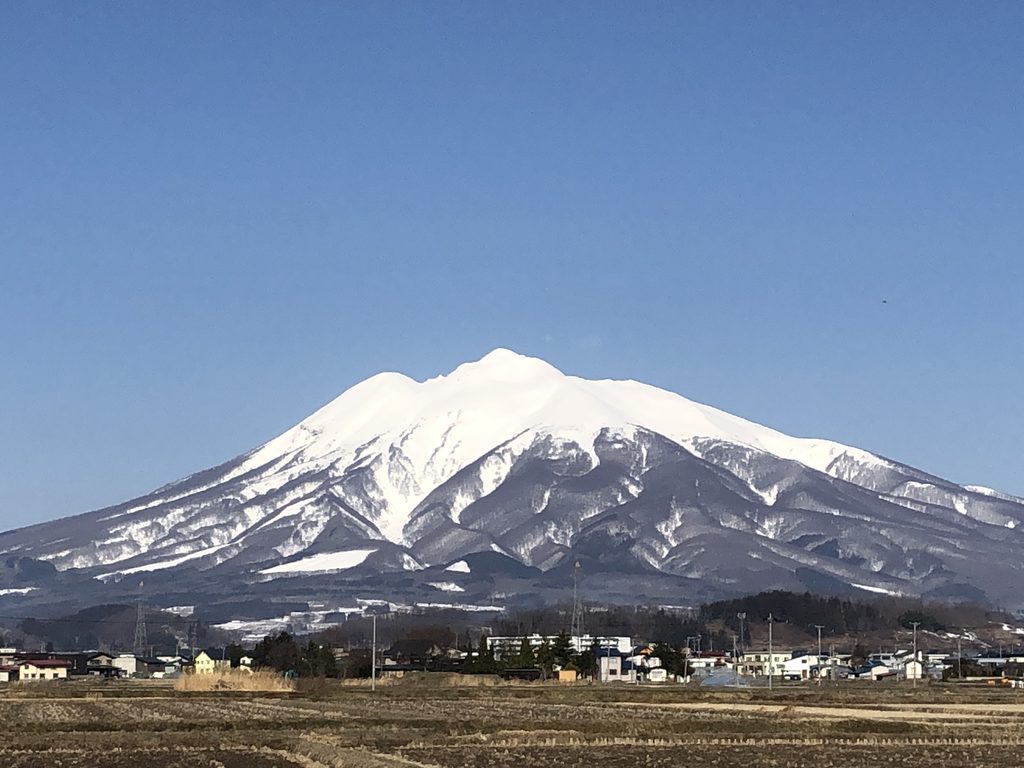
Because Tsugaru lies at the northern end of Honshu, spring arrives about a month later than in Tokyo, while winter comes about a month earlier. In winter, the landscape is covered in deep snow. In spring, melting snow gives way to cherry blossoms and fresh greenery.
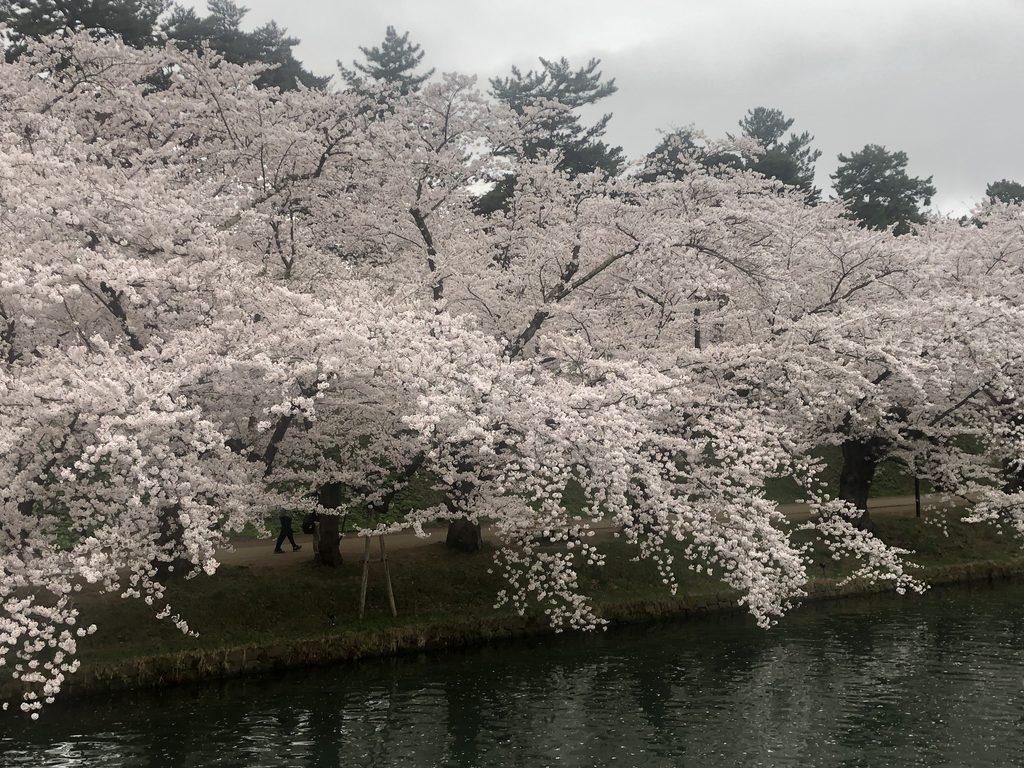
Tsugaru is home to Hirosaki Castle, one of Japan’s most famous cherry blossom viewing sites, where the blossoms typically reach their peak in late April.
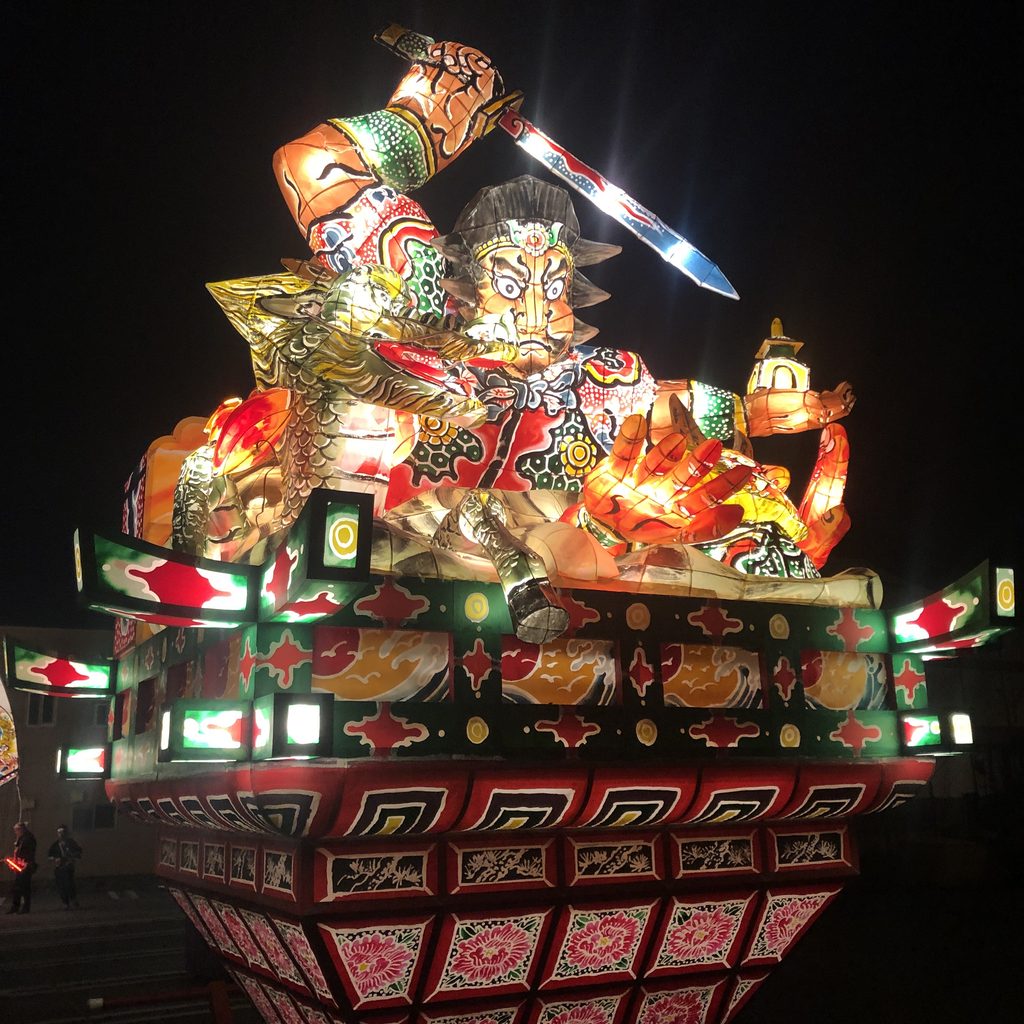
During the summer, Neputa and Nebuta festivals take place throughout the region. The sounds of flutes and drums fill the air as brightly illuminated festival floats parade through towns and villages, creating one of the most iconic scenes of a Tsugaru summer.
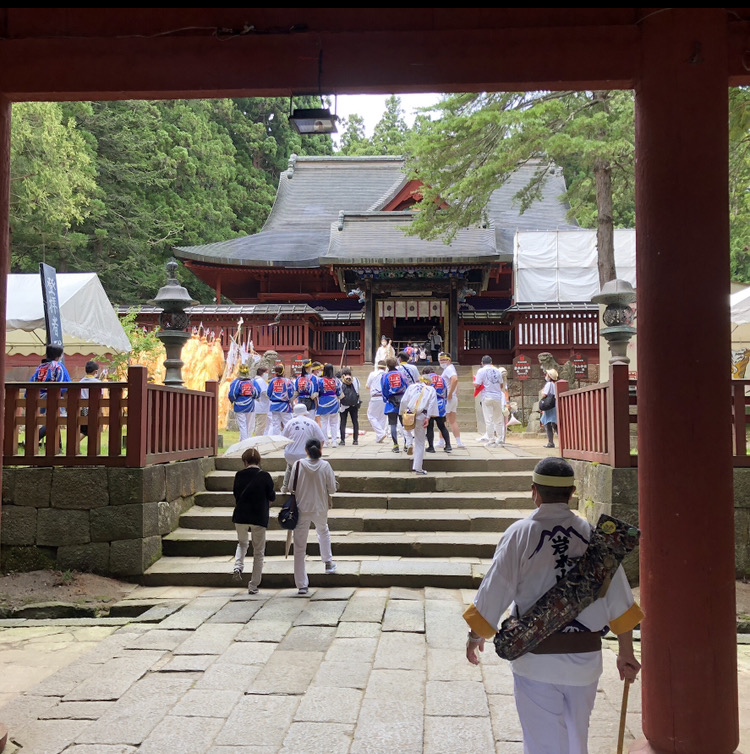
In autumn, local people gather at Mt. Iwaki to take part in Oyama-Sankei, a traditional mountain worship festival that remains an important annual event in the region. The apple harvest also begins at this time, and orchards filled with ripe fruit become a familiar part of the autumn landscape.
In Tsugaru, the rhythms of daily life continue to follow the changing seasons, and many traditional cultural practices remain closely connected to local communities.
Through this blog, I hope to introduce readers to the living traditions of Northern Japan, including the festivals, folk performance traditions, traditional music, and classical martial arts that I have encountered through many years of living and working in Tsugaru.
津軽へようこそ
私の暮らす津軽地方は、日本の本州最北端に位置する青森県西部の地域です。
この地域は広大な津軽平野を中心とした盆地状の地形をなし、周囲を山々に囲まれています。東には雄大な八甲田連山、西には世界自然遺産として知られる白神山地、そして北西には津軽の象徴ともいえる岩木山が美しい姿を見せています。
こうした豊かな自然環境の中で、人々は四季折々の暮らしを築いてきました。そして、その暮らしのなかで、祭りや民俗芸能、伝統音楽、信仰、古武道など、多彩な文化が受け継がれてきました。
初めて津軽を訪れる人々は、まず岩木山の雄大な姿に心を奪われることでしょう。この山は津軽の人々にとって心のふるさとであり、津軽では「山」といえば岩木山を意味するほど、暮らしと深く結びついた存在です。
津軽地方は本州最北端に位置するため、東京と比べると春の訪れはおよそ一か月遅く、冬は一か月ほど早くやってきます。冬には一面が雪に覆われ、春には雪解けとともに桜と新緑の季節が訪れます。津軽には桜の名所として知られる弘前城があり、例年四月下旬には多くの人々が花見を楽しみます。
夏になると、津軽各地でネプタ・ネブタ祭りが開催されます。笛や太鼓の音が響き、色鮮やかな山車が町を練り歩く光景は、津軽の夏を象徴する風物詩です。そして秋には、津軽の人々の信仰を集める岩木山でお山参詣が行われます。また、リンゴの収穫期を迎えた農園の風景も、この季節ならではの美しい光景です。
このように津軽では、自然の移ろいとともに人々の暮らしが営まれ、その暮らしの中で多くの伝統文化が育まれてきました。
このブログでは、津軽での暮らしと長年の経験を通して出会った祭り、民俗芸能、伝統音楽、古武道など、北日本に息づく生きた伝統文化を皆さんに紹介していきます。